



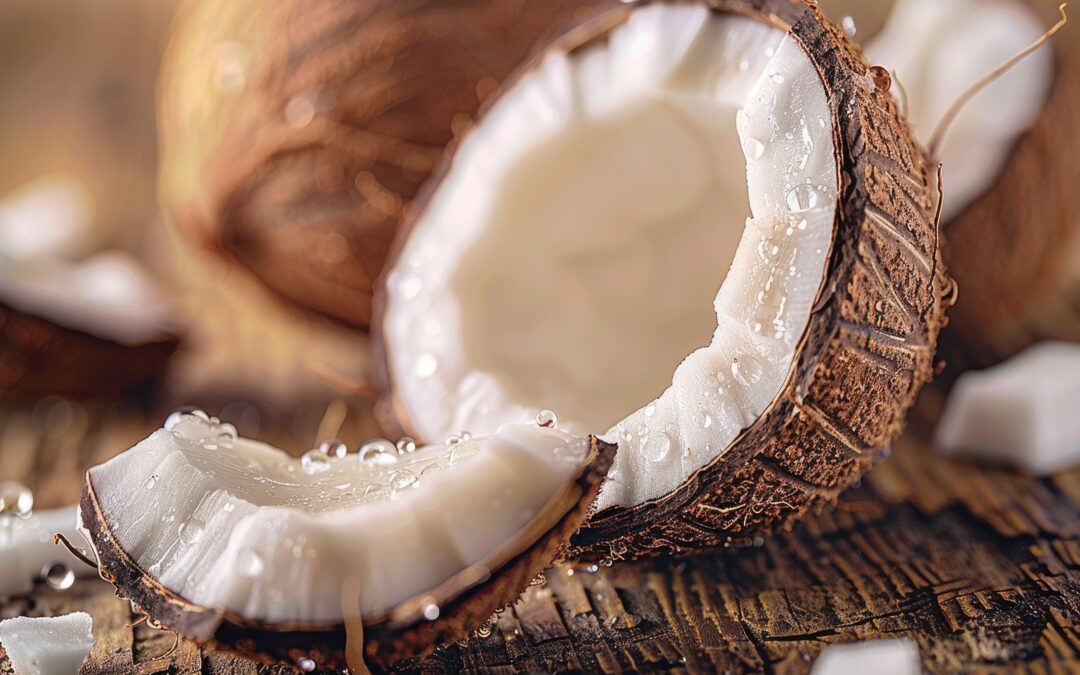
The global market for coconut-based products (oil, milk, flour, sugar, etc.) is highly dynamic, with an estimated annual growth of around 7 to 9% in the coming years, driven by organic, “better-for-you” and plant-based trends. For manufacturers and brands, these trends represent as many opportunities as new challenges in terms of sourcing.
1. Strong Global Demand Growth
Several market studies anticipate sustained growth in the coconut products market until 2030, with a CAGR close to 8% in certain segments (oils, milks, processed products). Europe and North America are among the most dynamic regions, driven by premiumization, organic products, and the search for plant-based alternatives.
For you, this means:
-
more opportunities to launch new organic coconut-based products;
-
but also increased competition to secure reliable volumes of consistent quality at a controlled cost.
2. Plant‑Based and Dairy Alternatives as a Driving Force
The “plant-based” and “lactose-free” trends continue to gain ground and boost demand for coconut milk, cream, oil, and flour used as bases or co-ingredients in many categories (beverages, desserts, snacks, ready meals, specialized nutrition). 2025 trade shows and studies highlight coconut as a key ingredient in new generations of higher value-added plant-based products.
Implications for your business:
-
increasing expectations in terms of functionality (texture, aeration, stability) for coconut ingredients;
-
a stronger demand for consistency between the “plant-based / healthy” promise and the actual quality of raw materials.
3. Sustainability, Traceability, and Labels in the Spotlight
Sustainability is no longer just a “plus”; it is an increasingly decisive selection criterion for distributors and brands. Recent reports highlight the growing expectations regarding origin, environmental impact, and social conditions in the coconut supply chains.
Elements gaining importance:
-
structured supply chains with local cooperatives, agroforestry practices, and limited water consumption;
-
organic certifications combined with ethical labels (Fairtrade, Fair for Life) or more advanced CSR;
-
ability to precisely document the value chain to meet audit requirements and retailers' transparency expectations.
Suppliers capable of demonstrating a genuine commitment to these issues gain a significant advantage in tenders.
4. Price Volatility and Supply Tensions
2025 market analyses indicate increasing pressure on certain coconut product origins and categories, with risks of local shortages and price increases in case of climatic or logistical hazards. Indonesia and the Philippines remain major export players, but their volumes are also subject to these constraints.
For buyers, this translates to:
-
increased spot price volatility;
-
the need to prioritize medium/long-term supply contracts with partners capable of smoothing out these fluctuations;
-
growing interest in suppliers who diversify origins and optimize their logistics (ports, warehouses, transport modes).
5. Diversification of Applications and Rise of “Specialized” Ingredients
Beyond classic formats (oil and milk), growth is particularly strong for more “specialized” ingredients: coconut sugar, coconut flour, milk or cream powders, butters, chips, and functional ingredients for health or sports nutrition. Experts anticipate a rapid expansion of uses in healthy snacking, functional beverages, “better-for-you” desserts, and reimagined bakery and pastry products.
For your product portfolio, this is an opportunity to:
-
explore new combinations of coconut ingredients with plant proteins, fibers, or super‑ingredients;
-
develop more differentiating recipes, capitalizing on taste (caramel from coconut sugar, richness of coconut oil or milk) and the story of the supply chain.
How to concretely prepare for these trends?
In light of these developments, several priorities emerge for brands and manufacturers working with organic coconut:
-
Secure your supply chains with structured supply contracts, rather than relying solely on spot purchases.
-
Strengthen your sustainability and traceability requirements, by integrating the labels and evidence expected by your customers and CSR teams.
-
Invest in product innovation, by testing new formats and applications of coconut ingredients to stay aligned with market expectations for 2025‑2026.
These trends will shape the market for the coming years. Players who anticipate their needs for organic coconut ingredients now – in terms of volumes, quality, sustainability, and innovation – will gain a decisive advantage over their competitors.
The global market for coconut-based products (oil, milk, flour, sugar, etc.) is highly dynamic, with an estimated annual growth of around 7 to 9% in the coming years, driven by organic, “better-for-you” and plant-based trends. For manufacturers and brands, these trends represent as many opportunities as new challenges in terms of sourcing.
1. Strong Global Demand Growth
Several market studies anticipate sustained growth in the coconut products market until 2030, with a CAGR close to 8% in certain segments (oils, milks, processed products). Europe and North America are among the most dynamic regions, driven by premiumization, organic products, and the search for plant-based alternatives.
For you, this means:
-
more opportunities to launch new organic coconut-based products;
-
but also increased competition to secure reliable volumes of consistent quality at a controlled cost.
2. Plant‑Based and Dairy Alternatives as a Driving Force
The “plant-based” and “lactose-free” trends continue to gain ground and boost demand for coconut milk, cream, oil, and flour used as bases or co-ingredients in many categories (beverages, desserts, snacks, ready meals, specialized nutrition). 2025 trade shows and studies highlight coconut as a key ingredient in new generations of higher value-added plant-based products.
Implications for your business:
-
increasing expectations in terms of functionality (texture, aeration, stability) for coconut ingredients;
-
a stronger demand for consistency between the “plant-based / healthy” promise and the actual quality of raw materials.
3. Sustainability, Traceability, and Labels in the Spotlight
Sustainability is no longer just a “plus”; it is an increasingly decisive selection criterion for distributors and brands. Recent reports highlight the growing expectations regarding origin, environmental impact, and social conditions in the coconut supply chains.
Elements gaining importance:
-
structured supply chains with local cooperatives, agroforestry practices, and limited water consumption;
-
organic certifications combined with ethical labels (Fairtrade, Fair for Life) or more advanced CSR;
-
ability to precisely document the value chain to meet audit requirements and retailers' transparency expectations.
Suppliers capable of demonstrating a genuine commitment to these issues gain a significant advantage in tenders.
4. Price Volatility and Supply Tensions
2025 market analyses indicate increasing pressure on certain coconut product origins and categories, with risks of local shortages and price increases in case of climatic or logistical hazards. Indonesia and the Philippines remain major export players, but their volumes are also subject to these constraints.
For buyers, this translates to:
-
increased spot price volatility;
-
the need to prioritize medium/long-term supply contracts with partners capable of smoothing out these fluctuations;
-
growing interest in suppliers who diversify origins and optimize their logistics (ports, warehouses, transport modes).
5. Diversification of Applications and Rise of “Specialized” Ingredients
Beyond classic formats (oil and milk), growth is particularly strong for more “specialized” ingredients: coconut sugar, coconut flour, milk or cream powders, butters, chips, and functional ingredients for health or sports nutrition. Experts anticipate a rapid expansion of uses in healthy snacking, functional beverages, “better-for-you” desserts, and reimagined bakery and pastry products.
For your product portfolio, this is an opportunity to:
-
explore new combinations of coconut ingredients with plant proteins, fibers, or super‑ingredients;
-
develop more differentiating recipes, capitalizing on taste (caramel from coconut sugar, richness of coconut oil or milk) and the story of the supply chain.
How to concretely prepare for these trends?
In light of these developments, several priorities emerge for brands and manufacturers working with organic coconut:
-
Secure your supply chains with structured supply contracts, rather than relying solely on spot purchases.
-
Strengthen your sustainability and traceability requirements, by integrating the labels and evidence expected by your customers and CSR teams.
-
Invest in product innovation, by testing new formats and applications of coconut ingredients to stay aligned with market expectations for 2025‑2026.
These trends will shape the market for the coming years. Players who anticipate their needs for organic coconut ingredients now – in terms of volumes, quality, sustainability, and innovation – will gain a decisive advantage over their competitors.